Low back pain affects millions of Americans every day, disrupting sleep, limiting mobility, and impacting quality of life in ways that extend far beyond the physical discomfort. If you're among the countless Houston residents searching for effective, natural solutions to chronic back pain, you've likely encountered various treatment options with mixed results. Today, we're exploring an innovative approach that's gaining recognition in the healthcare community: SoftWave therapy.
This non-invasive treatment represents a significant advancement in pain management, offering hope to those who have struggled with traditional treatment methods. But what exactly is SoftWave therapy, and how can it help address the complex nature of low back pain? Let's dive deep into this cutting-edge technology and examine how it might be the solution you've been seeking.
Understanding SoftWave Therapy: A Revolutionary Approach to Pain Relief
SoftWave therapy utilizes unfocused acoustic waves to stimulate the body's natural healing processes at the cellular level. Unlike traditional shock wave therapy, SoftWave technology delivers energy in a more dispersed pattern, allowing for deeper tissue penetration while maintaining patient comfort throughout the treatment process.
The science behind SoftWave therapy centers on mechanotransduction – the process by which cells convert mechanical signals into biological responses. When these acoustic waves reach damaged tissue in your lower back, they trigger a cascade of healing mechanisms that can address pain at its source rather than simply masking symptoms.
What sets SoftWave therapy apart from other treatment modalities is its ability to simultaneously address multiple factors contributing to low back pain. The therapy promotes increased blood flow to affected areas, stimulates the formation of new blood vessels, activates stem cells, and reduces chronic inflammation – all while being completely non-invasive and requiring no downtime.
Many patients in Houston have found this approach particularly appealing because it doesn't rely on medications or surgical interventions. Instead, it harnesses your body's own regenerative capabilities to promote lasting healing and pain relief.
How SoftWave Therapy Targets Low Back Pain Mechanisms
Low back pain rarely stems from a single cause. Instead, it typically involves a complex interplay of factors including muscle tension, inflammation, decreased circulation, nerve irritation, and tissue degeneration. SoftWave therapy addresses these multiple pain generators through several distinct mechanisms.
The acoustic waves generated during SoftWave treatment penetrate deep into the tissues of your lower back, reaching areas that many other therapies cannot effectively target. This deep tissue stimulation helps break up scar tissue and adhesions that may be contributing to stiffness and pain. As these restrictions are released, normal tissue mobility is restored, often providing immediate relief from tension and discomfort.
Inflammation reduction represents another crucial aspect of how SoftWave therapy combats low back pain. Chronic inflammation keeps tissues in a state of irritation and prevents proper healing. The acoustic waves help modulate the inflammatory response, shifting the tissue environment from one of chronic inflammation to active healing and regeneration.
Perhaps most importantly, SoftWave therapy stimulates angiogenesis – the formation of new blood vessels. Poor circulation in the lower back often perpetuates pain cycles by limiting the delivery of oxygen and nutrients while allowing waste products to accumulate. By promoting the development of new blood vessels, SoftWave therapy helps restore healthy circulation patterns that support long-term tissue health.
The therapy also activates resident stem cells within the treated tissues. These activated stem cells can differentiate into various cell types needed for tissue repair, including muscle cells, connective tissue cells, and even nerve cells. This regenerative aspect of SoftWave therapy offers the potential for actual tissue healing rather than temporary symptom management.
What to Expect During SoftWave Therapy Treatment
Understanding the treatment process can help alleviate any concerns you might have about pursuing SoftWave therapy for your low back pain. The procedure itself is remarkably straightforward and comfortable, typically lasting between 10 to 15 minutes per session.
Before beginning treatment, your healthcare provider will conduct a thorough evaluation of your condition, identifying the specific areas contributing to your pain. This assessment ensures that the SoftWave therapy is precisely targeted to address your individual needs and pain patterns.
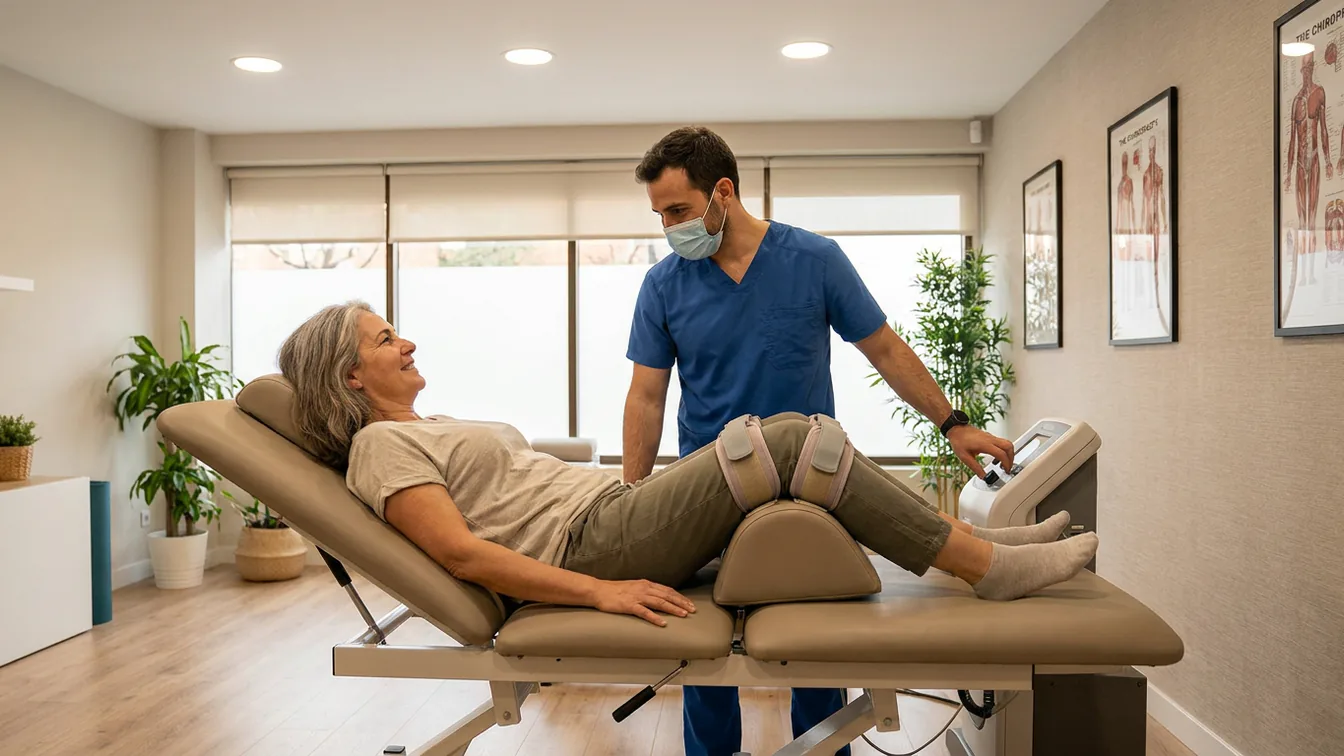
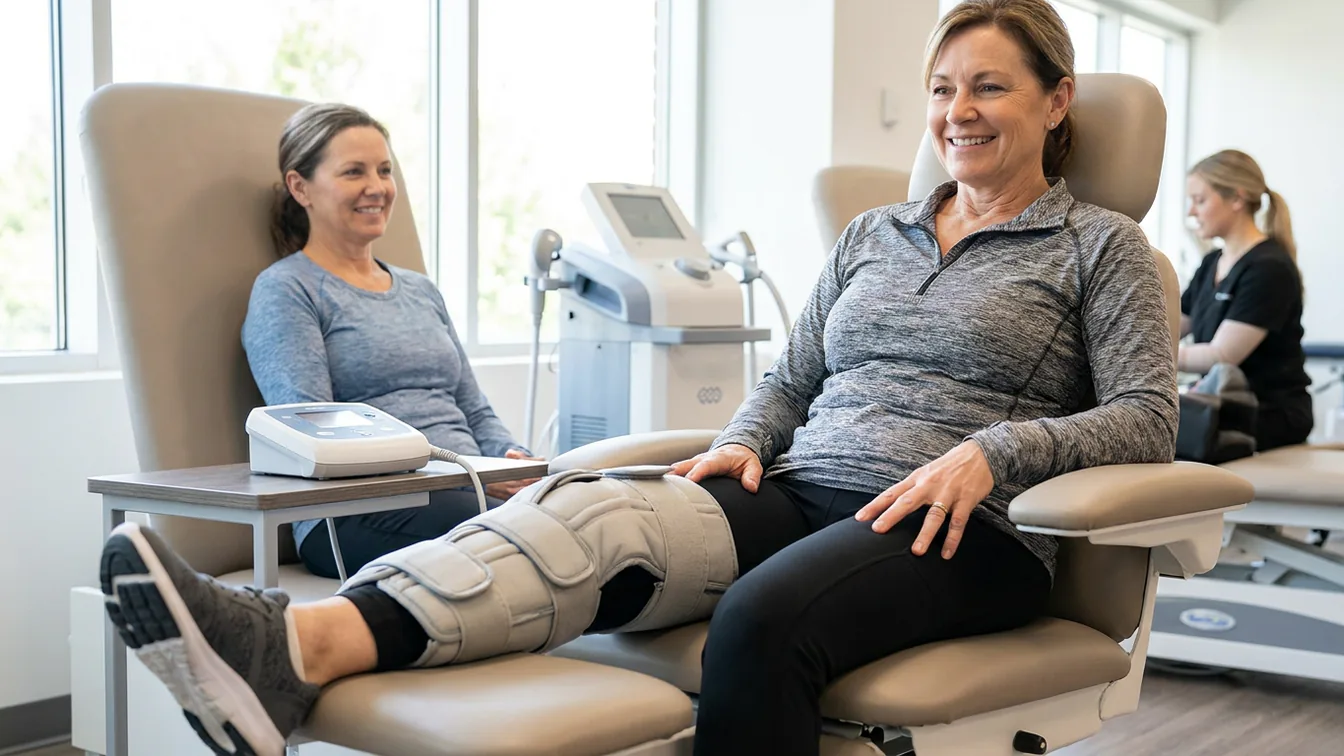
During the actual treatment, you'll be positioned comfortably while a handheld device is applied to your lower back. The device delivers the acoustic waves through your skin without causing damage to surface tissues. Most patients describe the sensation as a mild pulsing or tapping feeling, which is generally well-tolerated without the need for anesthesia or pain medication.
The number of treatments required varies depending on the severity and chronicity of your condition. While some Houston patients experience improvement after just a few sessions, others may require a series of treatments spaced over several weeks to achieve optimal results. Your healthcare provider will develop a personalized treatment plan based on your specific condition and response to therapy.
One of the most attractive aspects of SoftWave therapy is the absence of significant side effects or recovery time. You can typically return to your normal activities immediately following treatment, though your provider may recommend avoiding intense physical activity for a short period to allow the healing processes to begin.
Integrating SoftWave Therapy with Comprehensive Back Pain Management
While SoftWave therapy can be highly effective as a standalone treatment, it often works best when integrated into a comprehensive approach to back pain management. This holistic strategy addresses not only the immediate pain symptoms but also the underlying factors that contribute to chronic low back problems.
Posture correction and ergonomic modifications play crucial roles in preventing the recurrence of low back pain. Many residents of Houston spend long hours sitting at desks or commuting, which can place significant stress on the lower back. Working with healthcare professionals to identify and correct postural imbalances can enhance the benefits of SoftWave therapy and help maintain long-term improvements.
Strengthening exercises targeting the core muscles provide essential support for the lower back. A strong, stable core reduces the load placed on spinal structures and can prevent future episodes of pain. Your healthcare provider can recommend specific exercises that complement your SoftWave therapy treatments and support ongoing back health.
Stress management also deserves attention in any comprehensive back pain treatment plan. Chronic stress contributes to muscle tension and can amplify pain perception. Techniques such as meditation, deep breathing exercises, or yoga can work synergistically with SoftWave therapy to promote relaxation and healing.
Nutritional considerations may also support your recovery process. Anti-inflammatory foods can complement the inflammation-reducing effects of SoftWave therapy, while adequate hydration supports the improved circulation that the treatment promotes.
Sleep quality often improves as back pain diminishes, but addressing sleep hygiene and proper mattress support can further enhance your recovery. Quality sleep provides the optimal environment for the healing processes stimulated by SoftWave therapy to continue working between treatments.
Common misconceptions about SoftWave therapy sometimes prevent people from exploring this treatment option. Some patients worry that the acoustic waves might cause damage or that the treatment will be painful. In reality, SoftWave therapy has an excellent safety profile, and the unfocused nature of the waves makes the treatment comfortable for most patients.
Another misconception involves expectations about treatment timelines. While some patients experience rapid improvement, others may notice gradual changes over several weeks. The healing processes stimulated by SoftWave therapy continue working between treatments, so patience and consistency with the recommended treatment schedule often yield the best results.
If you're struggling with persistent low back pain and searching for a natural, effective solution here in Houston, SoftWave therapy may offer the relief you've been seeking. This innovative treatment approach addresses pain at its source while supporting your body's natural healing capabilities.
At Woodway Wellness, located at 4801 Woodway, Suite 175E, Houston, TX, our experienced team understands the impact that chronic back pain can have on your daily life. We're committed to helping you explore treatment options that align with your health goals and preferences. Contact us today to learn more about how SoftWave therapy might fit into your journey toward lasting pain relief and improved quality of life.