If you're dealing with persistent knee pain that affects your daily activities, you've likely explored various treatment options. From over-the-counter medications to physical therapy, the journey to find effective relief can feel overwhelming. One increasingly popular approach that's gaining attention among Houston residents is knee decompression therapy—a non-invasive treatment that focuses on relieving pressure within the knee joint to promote natural healing.
Knee decompression represents a gentler alternative to more aggressive interventions, offering hope for those seeking natural healthcare solutions. But what exactly is this therapy, and how does it work to address knee pain? Understanding the mechanics and benefits of this treatment can help you make informed decisions about your healthcare journey.
Understanding Knee Decompression Therapy
Knee decompression is a therapeutic technique designed to reduce pressure within the knee joint by creating gentle traction and stretching of the surrounding tissues. This approach works by addressing one of the fundamental causes of knee pain: compressed structures within the joint space that can irritate nerves, restrict blood flow, and limit natural movement patterns.
The therapy operates on the principle that many knee problems stem from increased pressure on sensitive structures such as cartilage, ligaments, and the joint capsule itself. When these tissues become compressed due to inflammation, injury, or degenerative changes, they can trigger pain signals and restrict normal joint function. Decompression therapy aims to counteract this compression by creating space within the joint, allowing tissues to decompress and begin their natural healing processes.
Unlike surgical interventions that involve cutting or removing tissue, knee decompression takes a conservative approach. The treatment recognizes that the body has remarkable healing capabilities when given the right environment. By reducing pressure and improving circulation to the affected area, decompression therapy creates conditions that support the body's inherent ability to repair and regenerate damaged tissues.
The science behind how this therapy works involves several interconnected mechanisms. When gentle traction is applied to the knee joint, it creates negative pressure within the joint space. This negative pressure can help draw inflammatory substances away from irritated tissues while simultaneously improving the flow of synovial fluid—the natural lubricant that nourishes cartilage and maintains joint health.
Many patients in Houston have found that decompression therapy addresses their knee pain in ways that previous treatments couldn't achieve. The approach is particularly effective for conditions where traditional methods have provided only temporary relief or when patients prefer to avoid more invasive procedures.
The Science Behind How Knee Decompression Works
The effectiveness of knee decompression lies in its ability to address multiple aspects of knee dysfunction simultaneously. When pressure within the joint decreases, several beneficial processes begin to occur that contribute to pain relief and improved function.
First, the reduction in intra-articular pressure helps alleviate stress on pain-sensitive structures within the knee. Nerve endings that have become hypersensitive due to compression can begin to calm down, leading to decreased pain signals being sent to the brain. This neurological component of pain relief often provides patients with their first sense of improvement during treatment.
Second, improved circulation plays a crucial role in the healing process. Compressed tissues often suffer from reduced blood flow, which limits their access to oxygen and nutrients necessary for repair. When decompression creates space within the joint, blood vessels that were previously constricted can dilate, allowing for enhanced circulation. This improved blood flow brings healing nutrients to damaged tissues while helping remove metabolic waste products that can contribute to inflammation and pain.
The therapy also works by promoting better synovial fluid dynamics within the knee joint. Synovial fluid serves as both a lubricant and a nutrient delivery system for cartilage. When joint pressure is elevated, the normal flow and distribution of this fluid can become compromised. Decompression helps restore proper fluid mechanics, ensuring that cartilage receives adequate nourishment while maintaining optimal joint lubrication.
Another important mechanism involves the stretching of tight or contracted soft tissues around the knee. Muscles, tendons, and ligaments that have become shortened or rigid due to pain, inflammation, or compensatory movement patterns can be gently elongated during decompression therapy. This stretching helps restore normal tissue length and flexibility, which is essential for proper knee mechanics.
Research has shown that decompression therapy can also stimulate the production of synovial fluid and promote the synthesis of proteoglycans—important compounds that help maintain cartilage health and resilience. These biochemical changes support long-term joint health and can help slow the progression of degenerative conditions.
Patients often ask how quickly they can expect to see results from decompression therapy. While individual responses vary, many people begin to notice improvements within the first few treatment sessions. The cumulative effects of repeated decompression treatments can lead to progressively better outcomes as tissues have more time to heal and adapt.
Conditions That Benefit from Knee Decompression
Knee decompression therapy has shown effectiveness for a wide range of knee conditions, making it a versatile treatment option for many patients seeking natural pain relief. Understanding which conditions respond best to this therapy can help you determine whether it might be appropriate for your specific situation.
Arthritis, particularly osteoarthritis, represents one of the most common conditions treated with knee decompression. As cartilage begins to wear down and joint spaces narrow, increased pressure within the knee can exacerbate pain and stiffness. Decompression therapy helps counteract this pressure buildup while promoting better joint lubrication and nutrient delivery to remaining cartilage. Many Houston residents dealing with arthritic knee pain have found significant relief through regular decompression treatments.
Meniscus injuries and tears often benefit from decompression therapy, especially when the injury is mild to moderate in severity. The menisci act as shock absorbers within the knee joint, and when they're damaged, normal pressure distribution becomes altered. Decompression can help reduce stress on injured meniscal tissue while creating an environment that supports healing. This is particularly valuable for patients who want to avoid surgical intervention or who aren't candidates for surgery.
Ligament strains and sprains, including injuries to the ACL, MCL, or other knee ligaments, can respond well to decompression therapy. While severe ligament tears may require surgical repair, many partial tears and strains can heal effectively with conservative treatment that includes decompression. The therapy helps reduce swelling and pressure around injured ligaments while promoting proper alignment during the healing process.
Patellofemoral pain syndrome, often called "runner's knee," frequently improves with decompression treatment. This condition involves pain around the kneecap that's often related to tracking problems or increased pressure between the patella and femur. Decompression can help normalize these pressure relationships while addressing tight tissues that may be contributing to abnormal kneecap movement.
Post-surgical knee pain and stiffness represent another area where decompression therapy proves valuable. Following knee surgery, scar tissue formation and joint stiffness are common complications that can limit recovery. Gentle decompression can help maintain joint mobility and reduce the formation of restrictive scar tissue, leading to better long-term outcomes.
Chronic knee pain of unknown origin often responds to decompression therapy even when other treatments have failed. Sometimes knee pain persists despite normal imaging studies and unsuccessful previous treatments. In these cases, decompression therapy's ability to address multiple potential pain sources simultaneously can provide relief when more targeted approaches haven't worked.
It's worth noting that decompression therapy is often most effective when combined with other conservative treatments such as therapeutic exercises, lifestyle modifications, and proper nutrition. This comprehensive approach addresses knee problems from multiple angles, maximizing the potential for successful outcomes.
What to Expect During Treatment
If you're considering knee decompression therapy, understanding what happens during treatment can help alleviate any anxiety and set appropriate expectations for your healing journey. The treatment process is designed to be comfortable and relaxing while delivering therapeutic benefits to your knee joint.
A typical decompression session begins with a thorough assessment of your knee condition and current symptoms. Your healthcare provider will evaluate your range of motion, pain levels, and any specific activities that trigger discomfort. This assessment helps customize the treatment parameters to your individual needs and ensures the therapy is delivered safely and effectively.
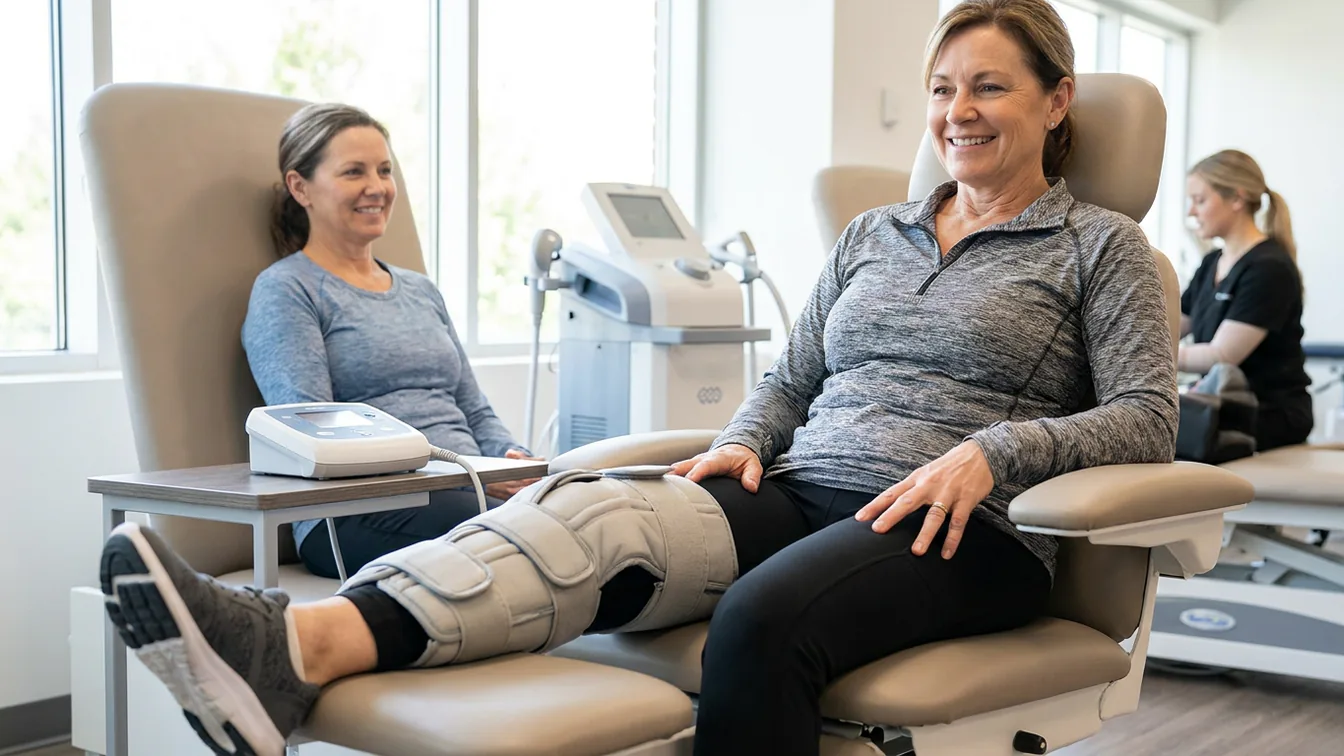
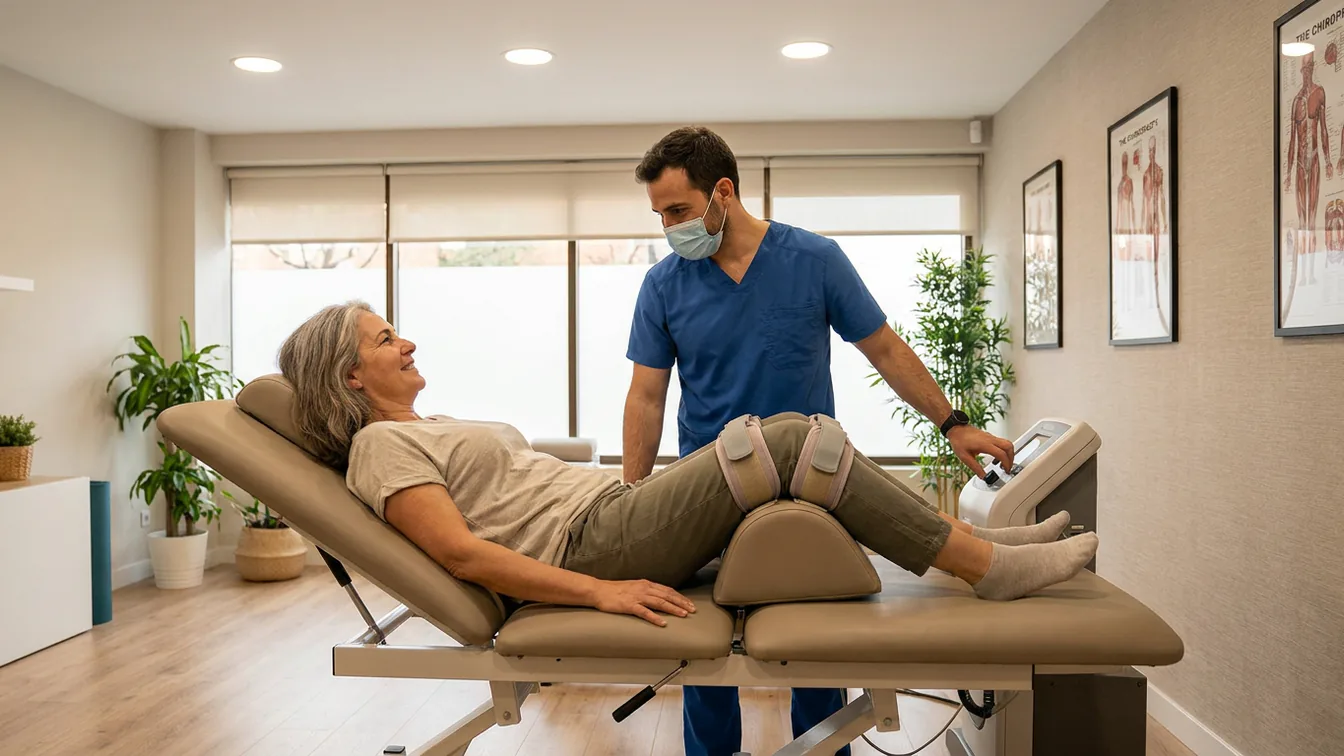
The actual decompression treatment involves positioning you comfortably, usually lying down, with your affected knee properly aligned for optimal therapeutic effect. Specialized equipment is used to apply gentle, controlled traction to the knee joint. The force applied is carefully calibrated based on your specific condition, pain tolerance, and treatment goals. Most patients describe the sensation as a gentle pulling or stretching feeling that's generally quite comfortable.
Treatment sessions typically last between 20 to 30 minutes, during which the decompression force may be varied according to specific protocols designed to maximize therapeutic benefit. Some systems use continuous traction, while others employ intermittent decompression that alternates between periods of gentle stretching and relaxation. This variation helps prevent muscle guarding and allows tissues to respond optimally to the treatment.
During your session, many patients find the treatment relaxing enough that they can read, listen to music, or simply rest. The gentle nature of the therapy means there's no significant discomfort during treatment, and most people find it quite pleasant. Your healthcare provider will monitor your response throughout the session and can adjust the treatment parameters if needed.
After each treatment, you might notice immediate improvements in knee comfort and mobility, though the most significant benefits typically accumulate over multiple sessions. Some patients experience mild soreness following their first few treatments as tissues begin to adapt and move in ways they haven't for some time. This mild discomfort is generally short-lived and indicates that positive changes are occurring.
A complete course of knee decompression therapy usually involves multiple treatments over several weeks. The exact number and frequency of sessions depend on factors such as the severity of your condition, how long you've been experiencing symptoms, and your individual response to treatment. Many patients in Texas see significant improvements within the first few weeks of treatment, with continued progress as therapy continues.
Your healthcare provider will likely recommend specific exercises and activities to complement your decompression treatments. These might include gentle stretching routines, strengthening exercises, or modifications to your daily activities that support the healing process. Following these recommendations can significantly enhance your treatment outcomes and help maintain the benefits you achieve.
Between treatment sessions, it's important to stay active within your comfort limits while avoiding activities that significantly aggravate your knee pain. Walking, swimming, and other low-impact activities are often encouraged as they promote circulation and maintain joint mobility without adding excessive stress to healing tissues.
If you're ready to explore how knee decompression therapy might help address your knee pain naturally, consider consulting with experienced professionals who understand this innovative treatment approach. At Woodway Wellness, located at 4801 Woodway, Suite 175E, Houston, TX, healthcare providers are committed to helping patients find effective, non-invasive solutions for their knee pain. Taking that first step toward understanding your treatment options could be the beginning of your journey back to comfortable, active living.